

What a PBX Phone System Offers Teams That Need Reliable Communication Tools

Key Points:
- A PBX phone setup helps teams manage calls with better structure and fewer missed details.
- Clear call control improves how businesses route, transfer, and respond to callers.
- Reliable phone access keeps teams reachable across desks, remote work, and mobile locations.
- PBX business phone systems support smoother coordination between front desk, sales, and support teams.
- Better call tracking improves accountability for missed calls, voicemails, and follow-ups.
- Practical features like auto-attendants, ring groups, and voicemail-to-email reduce daily call confusion.
- Scalable PBX planning helps growing businesses add users, departments, and call paths more easily.
- A modern PBX setup creates a more professional and dependable customer calling experience.
Good communication is no longer just a nice thing to have in a small office. It’s become part of how teams handle customers, sales conversations, internal updates, appointments, service requests, and daily decisions. When calls are distributed over old lines or not handled in an organized fashion, important details can be missed, follow-ups can be missed, or it can be hard to keep conversations flowing smoothly from department to department.
A modern business phone system provides teams with a more practical way to stay connected. It provides efficient call routing, improved voicemail access, quicker transfers, mobile flexibility, and greater control over communication activity. A good PBX setup can bring order, consistency, and long-term value to a communication process for offices that want to look professional while enhancing daily coordination.
Enhanced PBX Phone Call Control
A PBX phone system can be a vital tool that helps businesses to handle incoming and outgoing calls in a more organized structure rather than handling each call manually. Teams can use extensions, call transfers, ring groups, call forwarding, and voicemail options to more efficiently direct their callers. This gives employees a clear process to follow during busy periods, reducing the risk of missed calls and poorly handled customer conversations.
Call control is important because each conversation needs the right path. Sometimes a customer needs to speak to sales, support, billing, or a specific person. Correctly routed calls mean less time on hold for the person calling and less time fixing mistakes for the team. This leads to a smoother office experience and helps businesses maintain a more professional image in their day-to-day communication.
Team Availability Enhanced
Communication reliability means reaching the right people at the right time. In many offices, people aren’t always at their desks. Others may be in meetings, working remotely, visiting clients or processing something somewhere else. A flexible PBX setup means you can keep your business calls going with forwarding rules, mobile access and device-based calling options.
This availability allows teams to react faster, without having to rely on personal phone numbers or informal chains of messages. If no one is available, calls can be forwarded to another user, department, or voicemail. Employees remain connected, but the company keeps the communication in a professional business system. This is especially useful for teams who need to ensure that caller experiences remain consistent despite changes in schedules and locations.
Business Phone Structure
PBX business phone systems offer a more organized way for an office to handle communication between departments, employees, and customer-facing teams. Companies can manage users, extensions, call routes, voicemail boxes, and department groups in one environment, rather than having to use disconnected phones or basic lines. This gives the team better visibility and fewer interruptions in managing their daily calling needs.
A stronger structure also makes internal coordination easier. Support can contact sales, sales can forward calls to support, and managers can always be in the loop without having to be manually updated. It’s easier to track calls and responsibilities become clearer when everybody is using the same communication framework. It reduces confusion and allows the office to work on a more consistent rhythm.
Cleaner Calling Experience
The best way to measure a business is to get the right person on the phone. When a call is answered clearly, routed properly, and followed up on quickly, the company feels organized and trustworthy. If callers are passed from hand to hand, or left with unclear voicemail messages, confidence can drop before a genuine service conversation has even begun.
Better cleaner call experiences require planning. Hello, your greetings, menus, direct extensions, ring groups, and voicemail settings should match how your business operates. When these pieces are properly set up, callers feel guided rather than passed around. This helps customer-facing teams retain trust, while also making daily communication less stressful for employees.
Business Growth at Scale
PBX Business Phone Systems are useful for businesses that expect their communication needs to change over time. A small team might start with a few users and basic routing, but growth can quickly mean more departments, more calls, more remote workers, and more demanding reporting needs. For those kinds of changes, a scalable setup is easier to handle.
Scalability helps businesses avoid having to rebuild their phone process every time they grow. They can add users, change extensions, change call routing, and support new work locations with reduced disruption. It gives their team a better base for long-term communication planning. It also helps management stay prepared before call volume gets difficult to control.
Call Better Accountability
If calls aren’t tracked correctly, your team may not know what happened. One person may think a customer was returned a call, another may not know a voicemail was left. This can cause gaps in service, slow responses, and frustration for customers and employees alike. A better PBX setup helps you eliminate that uncertainty.
Accountability is not about hovering over people. It’s about giving teams a reliable record of communication. Missed calls, answered calls, voicemail activity, call duration, and call volume can help managers identify where support is needed. When organizations have better visibility, they’re able to staff better, change workflows, and spend the right amount of time on important conversations.
Useful Features of PBX
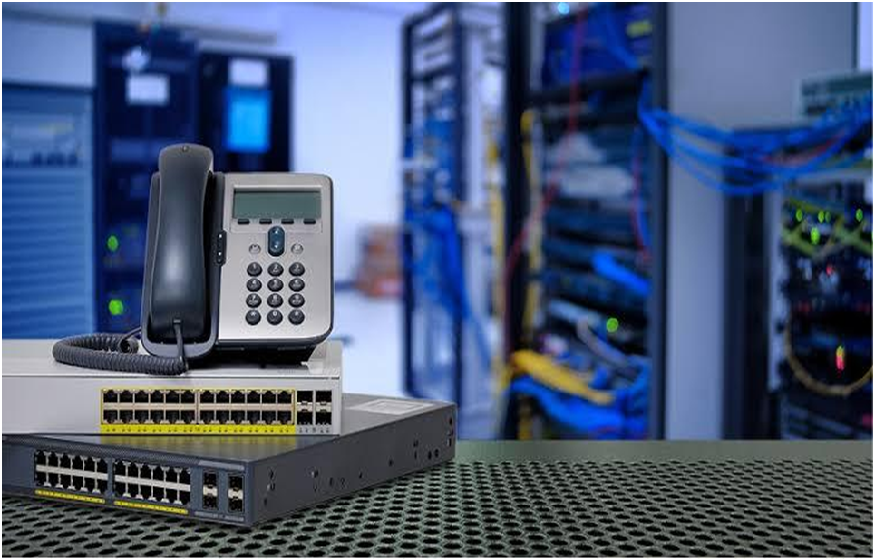
A PBX Phone System can be of great value when the features can be used to solve real office problems. Auto-attendants can route callers, call forwarding can keep vital conversations moving, voicemail-to-email can expedite message review, and ring groups can distribute responsibility to multiple employees. These features give businesses the ability to cut delays and improve the way teams respond during active work hours.
Practical features also facilitate better collaboration. Employees can transfer calls, check availability, use softphones, access messages, and stay connected with cloud-based tools. The easier these features are to use, the more likely teams are to follow the right process. That means fewer missed messages, cleaner call handling, and a stronger communication experience for the people calling in.
Secure Remote Access
Offices are looking at phones differently because of remote and hybrid work. Teams may be scattered across home, office, client sites, and field locations, but callers still expect a unified professional experience. A modern PBX setup makes this easier, as employees can answer business calls on approved devices, apps, or softphone tools, and still be connected to the main company system.
This remote access also guarantees consistency. Customers don’t need to know where an employee is working from, and employees don’t need to disclose personal numbers to be reachable. Calls can be routed, reported, recorded where appropriate, and managed within the business phone environment. This makes for a flexible work environment for businesses without sacrificing professional communication standards.
Smart Planning for Communication
A good phone system should be able to handle what you need now and be prepared for what you need later on. Businesses can use call pattern analysis, response time, department activity, and missed call trends to identify areas to improve communication. That knowledge allows them to make smarter decisions instead of relying on employee memory or customer complaints.
Smarter planning enables teams to link phone communication to broader business objectives. Sales teams may need faster lead response, support teams may need better routing, and front desk staff may need clearer transfer options. When a phone system meets these needs, it’s more than just a calling tool. It is part of a more operationally effective approach.
Conclusion
A reliable PBX system provides teams with a more structured, flexible, and confident way to communicate. It allows for better call routing, increased availability, enhanced customer experiences, remote access, and more clear accountability. These enhancements can reduce the daily confusion for businesses that depend on regular customer conversations and make communication more professional in every department.
Hosted VoIP Services has the right tools for your business that need reliable communication tools for modern office needs. Their services include hosted VoIP, cloud PBX solutions, business phone systems, call routing, mobile access, integrations, and managed support. If your team is looking for a more organized, scalable, and reliable way to handle calls, their solutions offer a practical way forward.
Frequently Asked Questions
Question: What does a PBX setup do for a business?
Answer: A PBX system allows a business to manage internal and external calling with extensions, routing, transfers, voicemail, and call groups. It gives teams a more structured way to handle communication instead of fragmented phones or manual call handling.
Question: Why should teams have reliable phone tools?
Answer: Reliable phone tools help teams answer calls more quickly, reduce missed messages, foster customer conversations, and improve internal coordination. They also make the business sound more professional by establishing a consistent process for handling callers.
Question: Do PBX features assist remote employees?
Answer: Yes, many modern PBX features support remote employees with mobile apps, softphones, forwarding rules, and cloud access. This lets staff answer and return business calls from different locations and keep the communication in the company system.
Question: What are the most important features in a PBX system?
Answer: Useful features include auto-attendants, call forwarding, ring groups, voicemail-to-email, extensions, call reporting, softphones, and mobile access. The tools help teams to manage calls more efficiently and reduce confusion at busy times.
Question: When should a business upgrade its phone system?
Answer: If the business is missing calls, transfers are confusing, voicemail is hard to track, or staff needs better remote access, it’s time for the business to upgrade. Poor reporting, increased call volume, and growth are also indications that a better phone setup might be necessary.